Flip a Coin Online
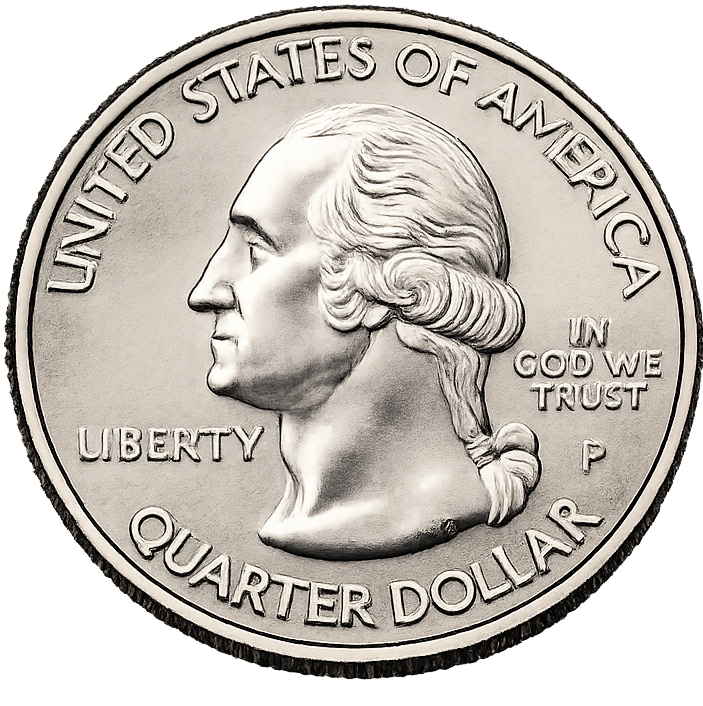
Heads
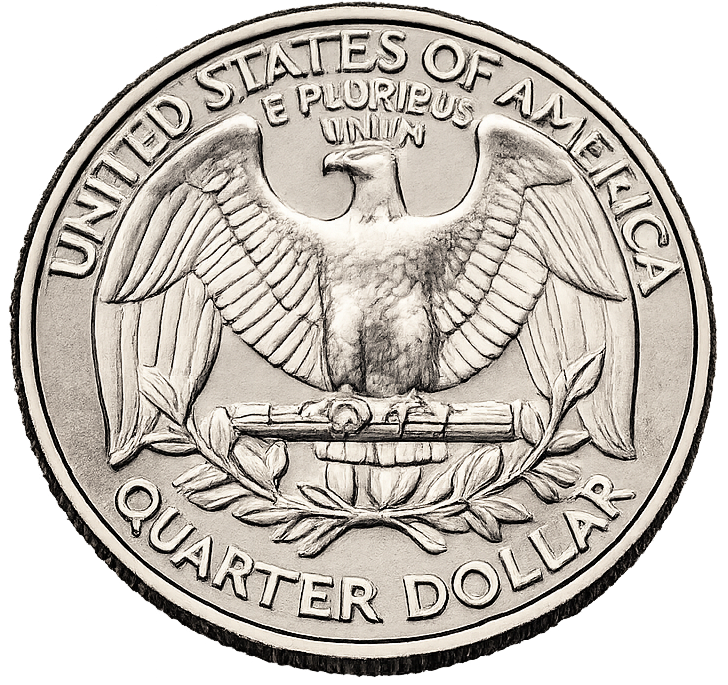
Tails
Click Flip the Coin — or press Space — and Flipit's random number generator instantly picks heads or tails with a true 50/50 probability. No physics, no thumb bias, just pure randomness on every flip. You can also customize the Heads and Tails labels to match any two choices you're weighing, making this more than just a heads or tails simulator — it's a universal decision tool.
A virtual coin flip is the fastest, fairest way to settle any binary decision. Here are some of the most common reasons people flip a coin online:
Metal coins have existed since the 7th century BC, but the practice of flipping them to make decisions is nearly as old. The earliest recorded coin toss comes from ancient Rome, where the game was called navia aut caput — "ship or head" — named after the imagery stamped on Roman coins. Julius Caesar's own coins were reportedly used for binding decisions including matters of property and marriage, making the flip a legally recognized act in Roman society.
The British later called the game "cross and pile," referencing the cross stamped on one side of their coins. In Peru, the game is still known as "face or seal" to this day. Historians trace some of the earliest origins even further back to ancient Greece, where players would blacken one side of a shell with pitch and flip it into the air — the exact same concept we use today, just with a coin instead of a shell.
Today, coin flipping is used across sports, politics, and science all over the world. In football (both American and international), cricket, tennis, and eSports, a coin toss determines which team gets first choice at the start of a match. In rare political ties, a coin flip has even determined the winner of an election. Some academic journals have used a coin toss to decide the order of co-authors when no other basis for priority exists.
One of the most powerful uses of the coin flip isn't about leaving the decision to chance — it's about revealing what you actually want. Sigmund Freud reportedly used this technique when patients were stuck between two choices: flip a coin, then immediately examine your emotional reaction. Were you pleased with the result — or quietly disappointed? That gut reaction, Freud believed, tells you what you already knew deep down. This is sometimes called the Freudian Coin Toss, and it works just as well with a virtual coin as a real one.
Danish poet Piet Hein captured this insight in his poem "A Psychological Tip": "But the moment the penny is up in the air, you suddenly know what you're hoping." So next time you're stuck, flip the coin — and pay close attention to how you feel the instant it lands.
Some of history's most consequential moments were decided by a coin toss. In 1845, the two founders of Portland, Oregon — Francis Pettygrove and Asa Lovejoy — flipped a penny to name their 640-acre settlement. Pettygrove won and named it after his hometown in Portland, Maine. In 1903, the Wright Brothers flipped a coin to decide who would pilot the world's first heavier-than-air flight. In 1959, rock musician Ritchie Valens won a coin flip against a bandmate for a seat on Buddy Holly's chartered plane — a flip that tragically cost him his life on what Don McLean later called "The Day the Music Died." And before the NBA introduced its draft lottery in 1985, a simple coin flip between the league's two worst teams determined who received the top pick — directly influencing the careers of legends like Michael Jordan, Magic Johnson, and Kareem Abdul-Jabbar.
A fair question — and the answer is yes. Flipit uses the browser's built-in pseudorandom number generator, seeded with high-entropy system data (timing, hardware noise, and other unpredictable inputs), to produce each result. The outcome is statistically indistinguishable from a true 50/50 flip. There is no pattern, no drift toward one side, and no memory of previous results. Each flip is a completely independent event — the coin has no idea what it landed on last time, and neither does the code.
With a real physical coin, research has shown that heads wins slightly more often — roughly 51% of the time — because of the way a coin is typically held heads-up before the toss. The starting position creates a tiny bias that compounds over thousands of flips. With Flipit's virtual coin, there is no starting position, no air resistance, and no thumb force — making our online coin flip more fair than a real coin. Every flip is a pure 50/50 split, every single time.